Do you LED or lead?
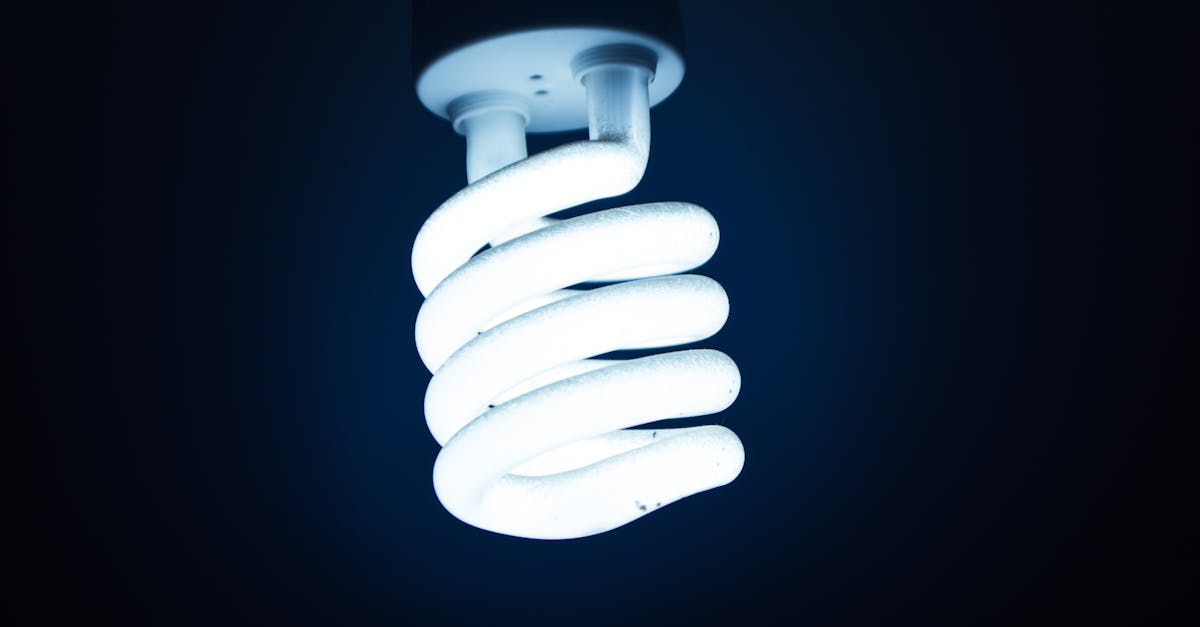
Innovations in LED Technology
Recent developments in LED technology have introduced a range of innovations that enhance performance and efficiency. One notable advancement is the integration of smart capabilities, allowing for remote control and automation. These smart LEDs can adjust brightness and color temperature based on the time of day or user preferences, improving energy savings and user experience. The miniaturization of LED components has also led to more versatile applications, making them suitable for various settings, from residential to commercial.
Another key innovation involves the use of advanced materials and manufacturing techniques that improve light output and longevity. Enhanced phosphor coatings and novel semiconductor materials have significantly increased the spectrum and quality of emitted light. Efforts to reduce production costs mean that these high-performance LEDs can become more accessible. As a result, both industries and consumers can benefit from longer-lasting, energy-efficient lighting solutions that contribute to sustainability goals.
Advancements Driving the Future of Lighting
The development of smart lighting systems has revolutionized the way people interact with their environment. These systems utilize sensors and connectivity features to adjust brightness and color based on the time of day or activity, enhancing both convenience and energy efficiency. Intelligent controls not only provide a tailored user experience but also contribute to energy savings, aligning with sustainability goals.
Another significant advancement is the integration of advanced materials and manufacturing processes in LED technology. Innovations such as organic light-emitting diodes (OLEDs) allow for flexible and lightweight lighting solutions, expanding design possibilities. Additionally, improvements in heat management extend the lifespan of LEDs, making them even more appealing for residential and commercial applications. These factors collectively drive a trend towards more sustainable and versatile lighting options.
Regulatory Standards for Lead
Regulatory standards surrounding lead have evolved significantly over the years. The aim is to minimize exposure to this hazardous material, which poses serious health risks, particularly to children and pregnant women. Various national and international organizations, including the Environmental Protection Agency (EPA) and the World Health Organization (WHO), have established guidelines that dictate permissible lead levels in consumer products and environmental settings. These regulations are enforced in industries such as manufacturing, construction, and electronics to ensure the safety of both workers and the public.
In addition to governmental agencies, several non-profit organizations actively advocate for stricter lead regulations. These entities often conduct research and community outreach to raise awareness about the dangers of lead exposure. Their efforts have resulted in more rigorous testing and certification processes for products that may contain lead. Manufacturers must comply with these standards to avoid legal repercussions and potential financial liabilities. This growing emphasis on regulatory adherence highlights the ongoing commitment to public health and safety in relation to lead.
Guidelines and Compliance Measures
Regulatory bodies have established various guidelines to ensure the safe use of lead in products. Compliance measures often involve strict limits on lead content, particularly in consumer goods. Manufacturers must adhere to these standards to minimize potential health risks. Regular inspections and testing procedures are necessary to verify that products meet safety criteria.
Additionally, companies are encouraged to implement training programs for employees to raise awareness about lead regulations. This education fosters a culture of compliance, helping to design products with consideration for regulatory standards. Documentation of supply chain processes is crucial, ensuring that materials sourced do not exceed allowable lead limits.
Economic Impact of Using LED
The shift toward LED lighting has demonstrated significant economic advantages for both businesses and consumers. Lower energy consumption reduces electricity bills, leading to substantial savings over time. Maintenance costs decline as well, since LEDs have a notably longer lifespan compared to traditional lighting options. This combination of factors creates an attractive financial proposition for organizations looking to optimize operational expenses.
For consumers, adopting LED technology translates into lower monthly utility expenses. Despite the upfront investment being higher, the long-term savings are considerable. Furthermore, the growing availability of energy-efficient products has stimulated market demand, driving innovation and competition among manufacturers. This trend not only enhances product diversity but also can lead to further price reductions, benefiting consumers and promoting a more sustainable economic environment.
Financial Benefits for Businesses and Consumers
The shift to LED lighting presents considerable financial advantages for various businesses and consumers alike. Reduced energy consumption is one of the most significant benefits, as LEDs use up to 80% less electricity compared to traditional incandescent bulbs. This translates to lower utility bills, which can substantially benefit businesses with high lighting needs, such as retail stores and warehouses. Additionally, the longer lifespan of LED products, often exceeding 25,000 hours, means fewer replacements and lower maintenance costs over time.
For consumers, the initial investment in LED bulbs may be higher than that for conventional lighting options. However, the long-term savings on energy bills combined with the durability of LEDs make them an economically sound choice. Many utility companies also offer incentive programs for switching to energy-efficient lighting, further reducing costs. Overall, the financial implications of adopting LED technology favor both consumers seeking to save money and businesses aiming to cut operational expenses.
FAQS
What are the main innovations in LED technology?
The main innovations in LED technology include improved energy efficiency, longer lifespan, enhanced brightness, and the development of smart lighting solutions that can be controlled remotely.
How does LED lighting compare to traditional lighting in terms of energy consumption?
LED lighting consumes significantly less energy than traditional incandescent or fluorescent lighting, often using up to 80% less energy while providing the same amount of illumination.
What are the regulatory standards for lead in lighting products?
Regulatory standards for lead in lighting products include limits on lead content as part of compliance with environmental and health regulations, such as the Restriction of Hazardous Substances (RoHS) directive.
What financial benefits do LEDs offer to businesses and consumers?
LEDs offer financial benefits such as lower electricity bills due to reduced energy consumption, decreased maintenance costs due to their longer lifespan, and potential tax incentives for energy-efficient upgrades.
How do advancements in LED technology drive the future of lighting?
Advancements in LED technology drive the future of lighting by enabling more efficient designs, expanding applications (like horticultural and architectural lighting), and integrating smart technologies that enhance user experience and convenience.